


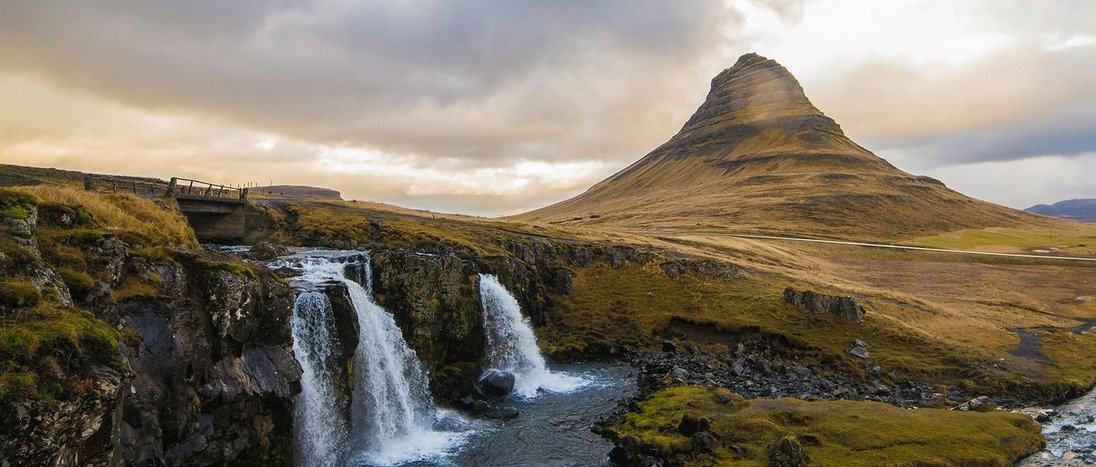

There is no bad season or time to see the beauty of Iceland. The best time to visit Iceland depends on the preferences of the travelers. Summer is the perfect time for long hikes, waterfalls, and glaciers. Winter is the perfect season for unforgettable snowshoeing and northern lights.
Spring is best for fewer visitors and crisp weather. So, what are you waiting for? Let’s dive in and explore more about what to expect during each season in Iceland.
Why Visit Iceland in the Summer?
Summer is the perfect time for Iceland’s greatest hits. You can see amazing waterfalls, glacier-fed lagoons, sand beaches, and coastal cliffs for an unforgettable experience. This time is perfect for great hiking and wildflowers galore with up to 50°F temperatures. You will get up to 20 hours of daylight in summer for adventuring.
Why Visit Iceland in the Fall?
This time is perfect for moderate weather and fewer crowds to enjoy visiting Iceland. Early aurora sightings start in the fall. You have a golden opportunity to see the migratory birds that take flight during this transitional season. Look for a bit of fall foliage on the birch trees here and there during this time of the year.
Why Visit Iceland in the Winter?
Winter is ideal for thinner crowds. Iceland becomes more ethereal when covered in snow. You can hike through landscapes of crystalline glaciers or search for the northern lights. And when it comes to the warmth of a cozy lodge or geothermal hot spring, this time has got you covered.
Why Visit Iceland in the Spring?
It is a secret window with signs of spring. It turns the stark winter landscape into something softer and more alive. Days lengthen, snow melts, and the first wildflowers bloom. It is a great time for visitors who value quietness, intriguing photo ops, and unpredictable weather. Spring is a great time to embark on a boutique cruise or plan an independent extension before the summer travelers arrive.
Best Time Of The Year To Visit Iceland Month-By-Month
Do you want to know the best time to visit Iceland month by month? Take a look at the months one by one:
- November: Days get short, snow covers the landscape, and the Northern Lights season is in full swing. Good for visiting ice caves.
- December: Deep winter with very limited daylight (4–5 hours). Ideal for a cozy Christmas trip and maximizing dark skies for Aurora viewing.
- January: Coldest and darkest month, offering a true winter wonderland experience.
- February: Similar to January, but daylight hours begin to increase, and it is a prime, affordable time for Northern Lights.
- March: One of the best months. You get a mix of winter (snow for activities) and spring (more daylight), plus high Northern Lights activity.
- April: The “shoulder” month where spring arrives. Snow starts to melt, and it’s a great time to see the landscape transition. Puffin season begins in April.
- May: A fantastic, underrated month. Temperatures are rising, days are long (nearly 20 hours by month-end), and it is less crowded than in summer.
- June: The month of the Midnight Sun, with nearly 24-hour daylight. Lupine flowers bloom, and all roads, including those to the Highlands, begin to open.
- July: Warmest and most popular month. Excellent for exploring the entire island, including the Westfjords and Highlands.
- August: Still warm and bustling. A popular time for camping and attending local festivals.
- September: A “best of both worlds” month. Temperatures are mild, the landscape has autumn colors, and the nights are dark enough to see the Northern Lights again.
- October: Crisp air, the chance of snow, and high chances for Northern Lights, with fewer tourists than in summer.
Conclusion About The Best Time Of Year To Visit Iceland
Iceland doesn’t do ordinary. That’s true no matter when you choose to visit Iceland. Whether you’re chasing the electric curtains of the Northern Lights, hiking through wildflower-filled valleys, or quietly watching puffins, the Land of Fire and Ice always delivers something extraordinary.
Summer calls to the adventurer in you with long daylight hours, open highland roads, and some of the most jaw-dropping landscapes. Fall rewards the curious traveler with golden birch trees, early auroras, and blissfully thin crowds.
Winter transforms Iceland into a moody, snow-draped wonderland made for cozy lodges, ice caves, and star-lit skies. And spring? It’s Iceland’s best-kept secret — raw, peaceful, and quietly magical. The truth is, there’s no wrong time to visit Iceland.
The right time is simply the one that matches your travel style. So pick your season, pack your layers, and get ready for a journey that will stay with you long after you’ve returned home.
Ready to map out your daily driving route? Plan your Ring Road adventure with our comprehensive Iceland Itinerary: The Ultimate Travel Guide.

